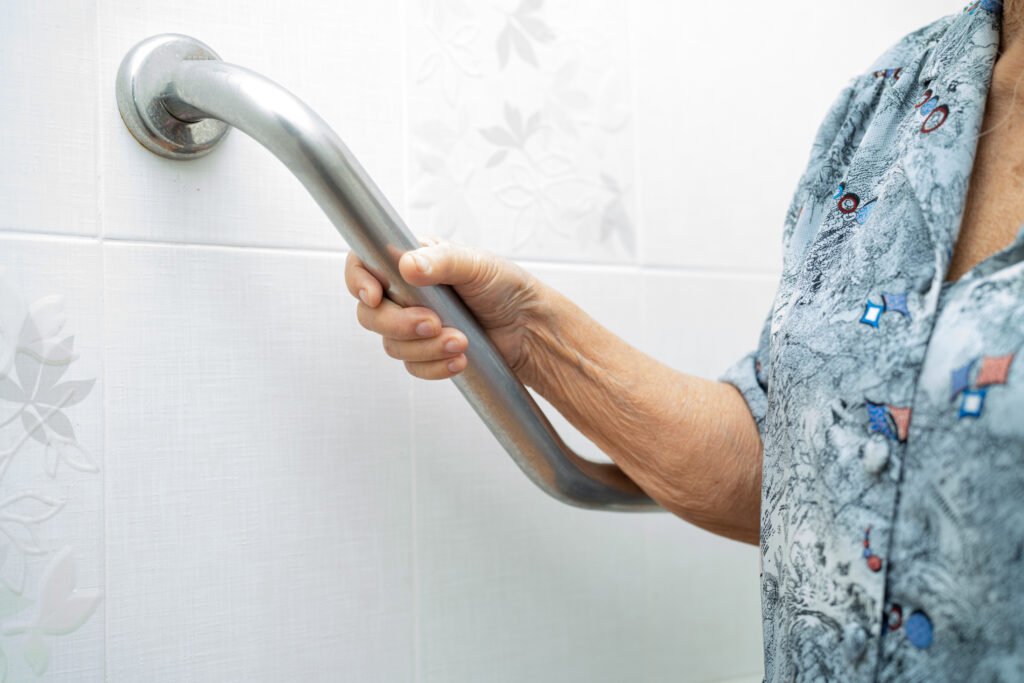
Grab bars may seem like a small bathroom upgrade, but for many older adults, they can make the difference between moving safely and losing balance during one of the riskiest parts of the day.
Bathrooms are common places for falls because the surfaces are often wet, hard, and slippery. Getting in and out of the shower, standing from the toilet, or reaching for a towel can all create moments of instability. A properly selected and properly installed grab bar can provide steady support where it is needed most.
But not all grab bars are equally safe. Some are designed for real weight-bearing support. Others are better described as balance aids or temporary helpers. Before choosing one, it is important to know what to look for.
Why Grab Bars Matter
As people age, balance, strength, vision, and reaction time may change. Even someone who is generally independent may need extra support in the bathroom.
A grab bar can help with:
Getting in and out of the tub or shower
Standing up from the toilet
Maintaining balance while bathing
Reducing the urge to hold onto towel bars, shower doors, or sinks
Providing confidence during daily routines
The goal is not to make the bathroom look medical. The goal is to make the bathroom safer, more supportive, and easier to use.
Do Not Use Towel Bars as Grab Bars
One of the most important safety points is this: towel bars are not grab bars.
A towel bar may look sturdy, but it is usually not designed to hold a person’s body weight. If someone slips and grabs it, the bar may pull away from the wall. That can make a fall worse.
The same is true for shower doors, soap dishes, loose shelving, or decorative fixtures. Anything a person might reach for during a moment of imbalance should be strong enough to support them.
Look for Grab Bars That Are Designed for Weight Support
A true grab bar should be rated to support body weight. Many permanent grab bars are designed to support up to 250 pounds (some may support more), but the rating depends on the product and installation.
When shopping, look for wording such as:
ADA-compliant
Weight capacity listed
Safety grab bar
Bath or shower grab bar
Secure mounting hardware included
Rust-resistant or corrosion-resistant finish
Avoid products that do not clearly state their intended use or weight capacity.
Permanent Grab Bars Are Usually the Safest Choice
For long-term bathroom safety, permanently mounted grab bars are usually the best option. These are attached directly to wall studs or properly installed with approved anchors.
Permanent grab bars are especially important for people who:
Have a history of falls
Use a walker or a cane
Have leg weakness
Need help transferring
Have dizziness or balance problems
Are you recovering from surgery or illness
Need daily support getting in or out of the shower
A properly installed grab bar should not wiggle, loosen, or shift when pulled.
Be Careful with Suction Grab Bars
Suction grab bars are popular because they are easy to attach and remove. They may be useful in limited situations, but they should not be relied on for full body-weight support.
Suction bars can lose grip if the wall surface is textured, uneven, dusty, wet, or not properly cleaned before use. They may also loosen over time.
Suction grab bars may be appropriate as a temporary balance cue for someone who is steady and only needs light support. They are not the best choice for someone who may pull hard on the bar, has poor balance, or is at high risk of falling.
If a suction bar is used, it should be checked before every use.
Placement Matters
A grab bar is only helpful if it is placed where the person actually needs support.
Common locations include:
Inside the shower or tub
At the shower entrance
Beside the toilet
On the wall near the tub
Near a step-in shower threshold
The right placement depends on the person’s height, strength, bathroom layout, and movement pattern. For example, someone who struggles to stand from the toilet may need a bar beside the toilet. Someone who has trouble stepping over a tub wall may need support at the tub entrance.
It is helpful to watch where the person naturally reaches for support. That can show where a grab bar may be needed.
Choose the Right Length and Style
Grab bars come in different lengths and styles. A longer bar may provide more flexibility because the person can place their hand in different spots. Shorter bars may work well in tighter spaces.
Common styles include:
Straight grab bars
Angled grab bars
Vertical grab bars
Fold-down grab bars
Toilet safety rails
Decorative grab bars that look more like regular bathroom hardware
A vertical bar may help with stepping in and out of a shower. A horizontal bar may help with standing balance. An angled bar may support both pushing up and steadying oneself.
The best choice depends on the task.
Pay Attention to Grip and Finish
A grab bar should be easy to hold, even with wet hands.
Look for:
A comfortable diameter
A textured or slip-resistant surface
Rounded edges
A finish that resists rust
A design that is easy to clean
Some decorative grab bars are attractive but may be slippery if the surface is too smooth. Safety should come first.
Professional Installation Is Often Worth It
Grab bars must be installed correctly. A bar that looks secure but is not properly anchored can be dangerous.
Professional installation may be especially important if:
The wall does not have obvious studs
The bathroom has tile walls
The person needs strong weight-bearing support
Multiple bars are needed
The bathroom layout is unusual
The grab bar must be placed very precisely
A handyman, contractor, occupational therapist, or aging-in-place specialist may be able to help determine placement and safe installation.
Grab Bars Should Be Part of a Bigger Bathroom Safety Plan
Grab bars are helpful, but they are not the only safety feature to consider.
Other bathroom safety supports may include:
Non-slip bath mats
A shower chair or transfer bench
A handheld shower head
Raised toilet seat or toilet safety frame
Good lighting
Clear floor space
Removal of loose rugs
Easy-to-reach towels and toiletries
The goal is to reduce rushing, reaching, twisting, and slipping.
When to Reassess Bathroom Safety
Bathroom needs can change over time. A setup that worked last year may not be enough now.
It may be time to reassess if an older adult:
Has had a recent fall
Is holding onto walls or furniture
Avoids bathing because it feels unsafe
Needs help getting off the toilet
Has new weakness, dizziness, or pain
Recently returned home from the hospital or rehab
Has a progressive condition affecting balance or mobility
Small changes made early can help prevent a crisis later.
Final Thoughts
Grab bars are one of the simplest and most practical ways to make a bathroom safer. But the right grab bar must be strong, properly placed, easy to grip, and securely installed.
Before buying one, think about the person’s actual daily routine. Where do they lose balance? Where do they reach for support? What movement feels hardest?
A grab bar should not just be installed where it looks convenient. It should be placed where it helps the person move safely, confidently, and comfortably.
Bathroom safety is not about taking away independence. It is about helping someone keep it.